

Fall Prevention Tips for Seniors Living at Home

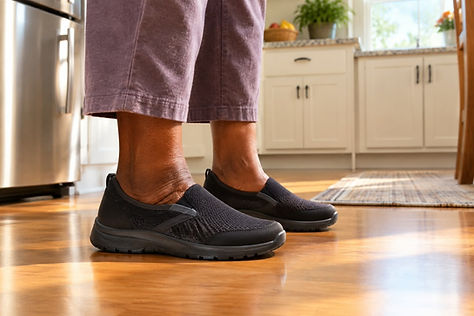
One in four Americans over 65 years old falls each year, and most of them don't expect it to happen to them. That's exactly why fall prevention tips for seniors matter. Falls tend to catch people off guard precisely because the risk builds quietly, through small changes in balance, vision, and medication.
Here's what actually contributes to falls and the practical steps that meaningfully reduce the risk without turning your parent's home into a hospital.
Why Falls Happen
Understanding Fall Prevention: Common Causes of Falls at Home
Falls are rarely caused by one dramatic factor; they're usually the result of several small ones stacking up:
slightly weaker leg muscles,
a rug edge that's always been there,
dimmer eyesight than a few years ago, and
a moment of distraction.
Recognizing that it's cumulative helps explain why fixing several small things at once matters more than fixing one big thing.
Medications and Balance Risks
Many common medications, such as blood pressure drugs, sedatives, and some antidepressants, affect balance and alertness as side effects, and the risk compounds when several are combined.
Ask your parent's doctor or pharmacist for a medication review specifically focused on fall risk; it's a conversation worth having at least once a year, especially after any new prescription.

Practical Fall Prevention Steps
Footwear, Lighting, and Mobility Aids
A few concrete changes address most of the everyday risk:
Supportive, closed-back shoes instead of slippers or socks alone
Nightlights in hallways, bathrooms, and bedrooms
A properly fitted cane or walker, checked periodically for the right height
Regular vision checks, since even mild vision changes increase fall risk significantly
When Professional Support Helps Most With Fall Prevention
If your parent has already fallen once, the risk of a second fall rises sharply within the following year.
That's usually the point where regular in-home support becomes necessary. Someone needs to be present during the day when falls most likely occur. Moments like getting up at night make a real and measurable difference.
The CDC's fall prevention program, STEADI, and the National Institute on Aging both offer free, evidence-based fall risk assessments worth doing together with your parent.

Conclusion
Fall prevention tips for seniors work best when layered together. No single change completely eliminates the risk, but several small ones stacked up genuinely do. Start with whichever change is easiest to make this week, and build from there.
Because We Care Home Agency's personal care services include exactly this kind of attentive, everyday presence that catches fall risk early. Explore our full range of in-home care services, read more about our approach to home care, or reach out to our team to talk about support for your parent.


Comments